
Why Does My Child Snore at Night?
Occasional snoring during a cold can happen. Snoring that persists, especially with gasping or breathing pauses, is worth discussing with your child’s pediatrician.
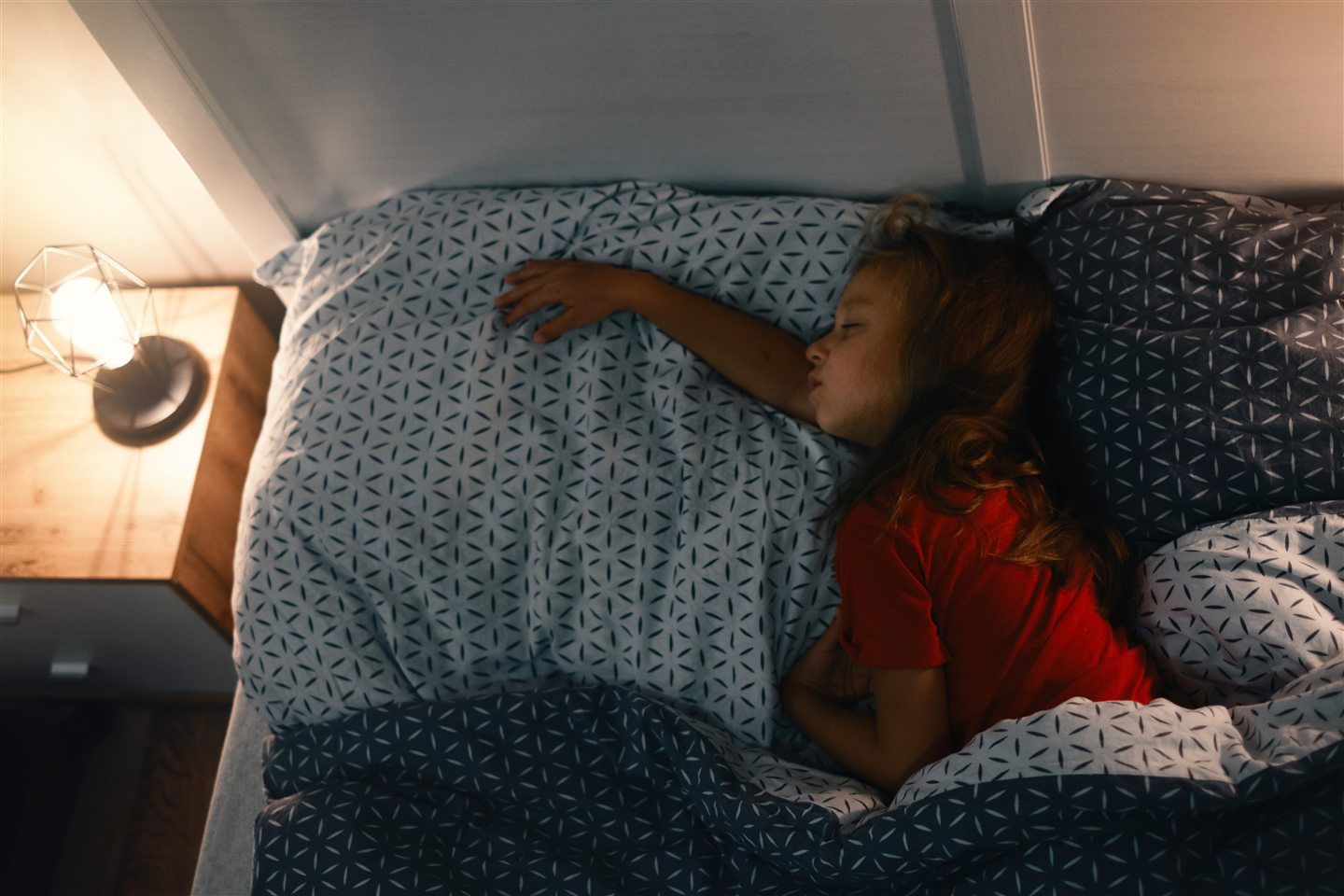
Why children snore and when to pay attention
What to notice before the visit
Track how many nights you hear snoring and whether it continues when your child is well. Note any mouth breathing, restless sleep, gasping or pauses. Share daytime concerns, such as unusual sleepiness, with the clinician.
When snoring deserves a closer look
A cold can make it harder to breathe through the nose for a few nights. The more useful question is what happens when your child is otherwise well. Does the snoring return most weeks? Is it loud enough to hear outside the room? Does your child wake up often or seem tired despite spending enough time in bed? Those details help the pediatrician decide what to ask next. Mention any gasping, pauses, or visible effort to breathe when you call.
How a pediatrician and dentist evaluate snoring
What a dental evaluation can add
A dentist can ask about sleep and review bite, growth and oral habits. These findings can help inform a referral when a sleep-related breathing disorder is suspected. The pediatrician can advise whether an ENT or sleep specialist should be involved.
What the pediatrician and dentist each look at
The pediatrician can review sleep and breathing symptoms and decide whether an ENT or sleep evaluation makes sense. The dentist can examine the bite, palate, jaw development, and oral habits. A narrow palate or a crossbite is a finding to discuss alongside the sleep history. Diagnosing a sleep disorder requires a medical evaluation. If you have already seen one provider, share any records or recommendations with the other.
Three details to write down this week
Note which nights you hear snoring and whether your child was sick. Record what else you notice, such as mouth breathing, frequent waking, unusual sleep positions, or breathing pauses. Add one line about mornings and school days, including how easily your child wakes up and whether sleepiness is affecting their routine. If you also see daytime mouth breathing, use our mouth breathing guide to prepare for the visit.
What to track at home before the appointment
Where to start
For persistent snoring or observed breathing pauses, start the conversation with your child’s pediatrician. If you also have questions about bite or dental development, bring the same observations to your dental visit.
How to make the first appointment more useful
Lead with the thing that worries you most: how often your child snores, whether there are pauses, or how sleep is affecting their day. Tell the pediatrician if teachers or caregivers notice sleepiness or difficulty staying engaged. Bring any earlier ENT or sleep reports. Before leaving, ask what the clinician wants you to track, when to follow up and what would make them want to see your child sooner. If a dental exam identified crowding or a crossbite, bring the report so the pediatrician can consider it alongside the sleep history.
Common questions
Can a child snore without having sleep apnea?
Yes. Snoring is a sound caused by airflow through the upper airway, and some children snore when they have a cold. Obstructive sleep apnea involves repeated episodes of partial or complete airway obstruction during sleep. A parent can describe the sound, frequency, and associated breathing changes, while the pediatrician decides whether more evaluation is needed. Ask about the next step if the snoring continues after the cold clears or keeps coming back.
What should I say when I call?
Give a specific example: “My child snores on most school nights even when they don’t have a cold, and I’ve noticed gasping.” Share any observed pauses or effort to breathe. Mention whether your child has already had an ENT visit or sleep study. A short timeline is easier to act on than a general description of poor sleep.
Related reading
Further reading Clinical reference.