
Narrow Palate and Crossbite: What Is the Difference?
A narrow palate describes upper-jaw shape or width. A crossbite describes how upper and lower teeth meet. A dental exam can clarify whether the two are related.
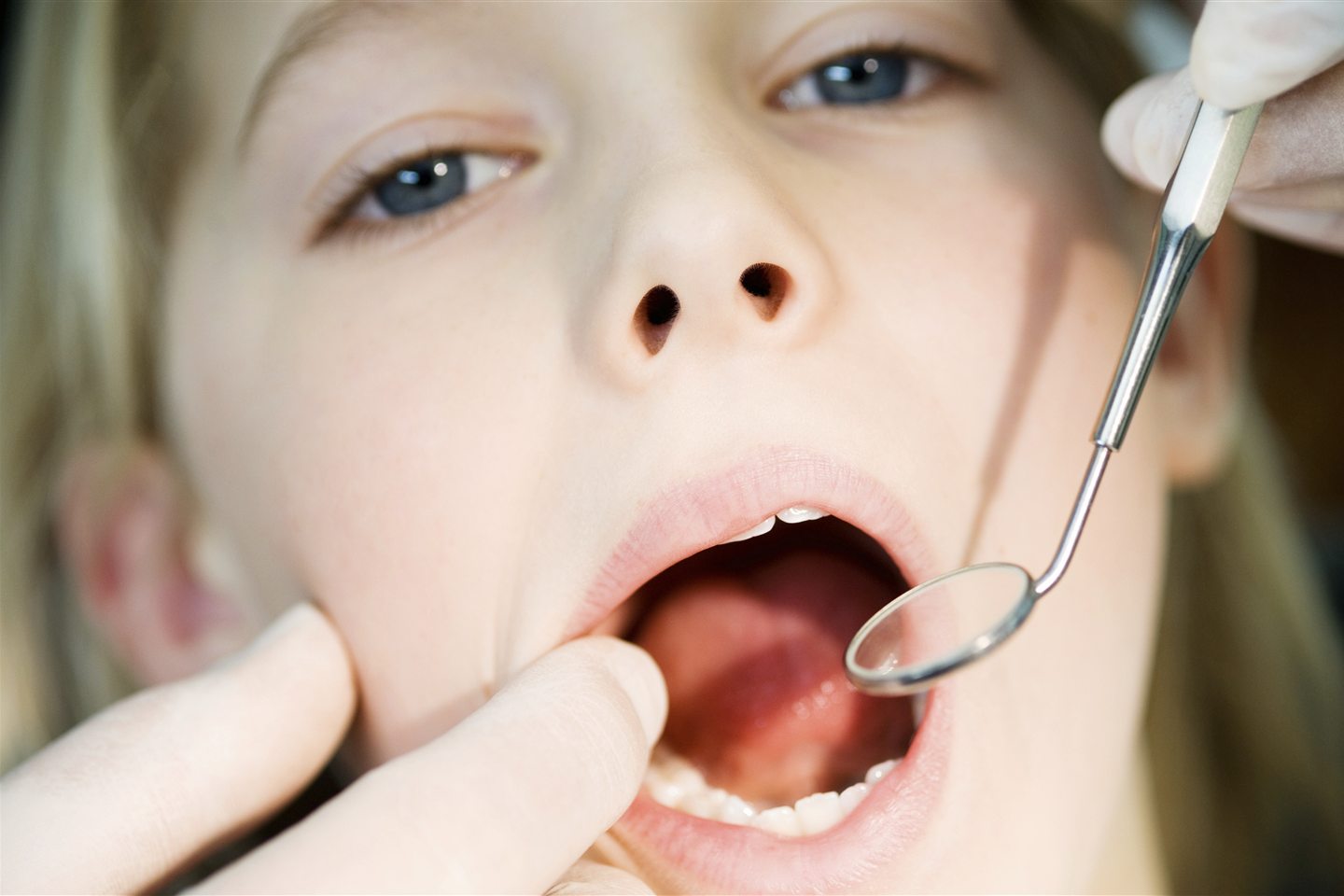
How a narrow palate differs from a crossbite
What a crossbite can look like
Normally the upper back teeth sit a little outside the lower back teeth. In a posterior crossbite, some upper back teeth sit farther inside when you bite down. A clinician can assess one or both sides and check whether the lower jaw shifts as you close.
How the two findings can overlap
A narrow upper jaw describes the width of the upper arch. A crossbite describes how teeth meet. In a posterior crossbite, some upper back teeth bite inside the lower back teeth. The dentist may look at whether the finding is on one side or both, whether individual teeth are tilted, and whether the jaw shifts as the teeth come together. Those details help explain why people with similar-looking bites may hear different treatment options.
What a dental exam can tell you about the bite
How a dental exam separates tooth position from jaw width
The dentist reviews how the arches fit together and whether teeth are tipped or shifted. For a child, growth and which teeth have come in also matter. For adults, gum health and past orthodontic treatment can affect the options.
What parents can ask during the exam
Ask your dentist to show you the area in a mirror, photo, or scan. Find out whether the concern involves one tooth, several teeth, or the width of the upper jaw. Ask what the dentist would monitor if you wait, what would prompt another evaluation, and how growth affects the timing of a decision. Mention previous orthodontic work and any changes you have noticed in chewing.
When breathing concerns are also present
Bring up persistent mouth breathing or snoring at the visit so the dentist has the full history. Discuss sleep symptoms with your child’s pediatrician too. For an overview of how the dental side is assessed, see Airway Therapy in Marietta and our guide to mouth breathing in children.
When to ask about monitoring or treatment
Questions to bring to the appointment
Ask if the finding is dental, skeletal, or both. Ask whether treatment is indicated now, which records would influence that decision, and whether monitoring or an orthodontic referral is appropriate.
Ask what would change the timing
When you hear that a crossbite may need attention, ask whether the clinician is concerned about how the teeth contact today, a shift when your child closes their jaw, or how the bite might develop with growth. Ask whether photos, scans, or a follow-up exam will be used to compare changes. If an appliance is proposed, ask what change the team expects to see and what additional treatment might be considered after that stage.
Common questions
Can someone have a crossbite without a narrow upper jaw?
Yes. A crossbite describes how the upper and lower teeth meet. A dentist may find that individual teeth are positioned differently or that the width of the upper and lower arches contributes to the bite. During the exam, ask the dentist to show you which teeth are involved and explain whether the finding is mainly about tooth position, jaw width, or both.
What changes should parents look for at home?
Mention if your child shifts their jaw as they close their mouth, prefers to chew on one side, or says certain teeth touch first. These observations are useful context for the dental exam. If you also notice snoring or persistent mouth breathing, share those concerns with the pediatrician. The dental team can explain the bite findings while the pediatrician evaluates the breathing or sleep history.
Related reading
Further reading Clinical reference.